How Jacksonville’s Summer Heat Affects Your Roof
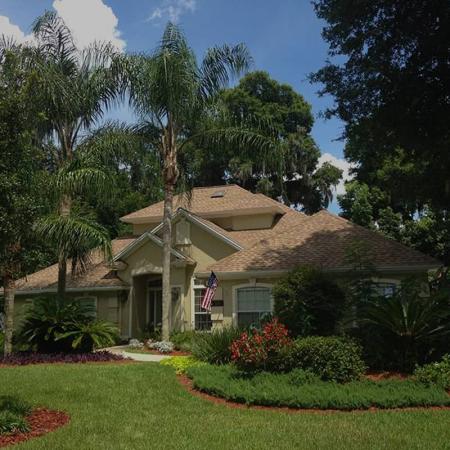
Jacksonville summers bring a tough trio for every roof: intense heat, powerful UV rays, and heavy humidity. Together, they break down roofing materials faster and raise the risk of leaks after afternoon storms. If you suspect damage or notice new stains on ceilings, schedule professional roof repair so small problems do not become big headaches.
At Benton Integrity Roofing Systems, our licensed team understands how Florida’s climate stresses different roof systems. We design maintenance and repair plans that match local conditions and building styles from Riverside and San Marco to Arlington and the Beaches. Learn more about our approach to Jacksonville roof repair and how we help extend the life of your roof while protecting your home’s value.
Why Heat, UV, And Humidity Punish Jacksonville Roofs
Summer sun heats roof surfaces far above the outside air. Shingles and underlayments expand during the day, then contract when evening showers cool everything quickly. That daily movement loosens sealant bonds, opens tiny gaps around nails, and can fatigue flashing at walls, chimneys, and skylights.
UV radiation is another steady force. It dries out asphalt binders in shingles, fading color and making the surface brittle. As granules loosen and wash into gutters, shingles lose their shield against sunlight. The cycle accelerates wear and can shorten the expected service life of the roof.
Humidity adds moisture to the mix. Trapped damp air in the attic raises deck temperatures and encourages condensation, which weakens wood over time. In shaded areas, persistent moisture can feed algae and mildew on shingles. None of this is cosmetic. It is the start of material breakdown that can lead to leaks after a storm.
Heat and UV damage are cumulative, so small issues today can shorten roof life by years. A timely inspection by a local pro helps catch problems before the next heat wave makes them worse.
The Florida Sun Versus Common Roofing Materials
Different roof materials handle Jacksonville’s weather in different ways. Understanding how each one responds helps explain why targeted repair and maintenance matter.
Adequate attic ventilation reduces heat stress on shingles and underlayment. Balanced intake at the eaves with exhaust near the ridge supports airflow so trapped heat and moisture can escape.
- Asphalt shingles: Prized for value and style. In high heat, asphalt can soften and then harden again, which speeds up granule loss and edge curling. UV exposure dries the shingle surface and makes it more brittle over time.
- Concrete and clay tile: Stand up well to the sun but rely on the underlayment for waterproofing. Heat cycles can age underlayment and dry out flashing sealants. Broken or slipped tiles let water reach critical layers below.
- Metal roofing: Reflects a lot of heat and resists UV. Expansion and contraction can loosen fasteners and stress seams if not installed or maintained correctly.
- Low-slope membranes: Roll goods like modified bitumen or single-ply hate ponding water. Heat plus standing water can speed up surface cracking and seam failures.
Signs Of Heat-Related Roof Stress You Can Spot From The Ground
Homeowners often notice early clues before a leak shows up inside. You do not need to climb on the roof to see several of these signs from the driveway or sidewalk.
- Shingle edges that look curled, cupped, or scalloped across sunny slopes
- Color fading or uneven dark streaks that were not there last summer
- Granules collecting in gutters or at downspout outlets after storms
- Loose, lifted, or rust-stained flashing around vents and skylights
- Attic that feels extremely hot or musty even after sunset
Do not ignore small leaks after summer storms; trapped moisture can rot decking and grow mold. A quick check by a qualified roofer can separate minor issues from urgent ones and map out the next steps.
Microclimates Across Jacksonville Neighborhoods
Conditions vary across the city, and roofs age differently because of it. Homes near Jacksonville Beach and Atlantic Beach face salt air and steady coastal sun. Inland neighborhoods like Mandarin and Ortega see more shade from mature trees, which can hold humidity and keep roof surfaces damp longer after rain. In fast-growing areas such as Intracoastal West and parts of Southside, wide-open lots mean strong sun exposure all day.
Each of these microclimates changes how a roof wears. Coastal homes benefit from frequent checks of exposed fasteners and sealants. Heavily shaded homes need a watchful eye on algae and moisture in valleys and eaves. A local roofing pro who works in these areas daily can read those patterns and adjust repair plans accordingly.
Jacksonville’s afternoon thunderstorms can cause rapid temperature swings that stress shingles and flashing. That thermal shock is a common trigger for leaks that appear a day or two after a storm. Scheduling a professional check after severe weather often prevents small gaps from turning into interior damage.
What Professional Maintenance Looks Like In Summer
Good maintenance is not about DIY fixes. It is a professional service visit that follows a checklist and documents the roof’s condition so you can make smart decisions. Here is what a thorough summer appointment typically includes:
- Visual scan of every slope and transition, with photos of UV wear, lifted shingles, and sealant failures
- Fastener and flashing review at vents, skylights, walls, and chimneys, tightening or resealing as needed
- Attic inspection to confirm airflow, look for damp insulation, and spot decking discoloration
- Documentation that tracks changes since the last visit to predict future needs
If an inspection reveals vulnerable areas, scheduling prompt roof repair limits water intrusion and helps the rest of the system last longer. Many homeowners plan this visit in late spring and again after peak summer to stay ahead of Florida’s storm season.
How Heat And Humidity Shorten Roof Lifespan
Think of your roof like a well-made jacket. The fabric keeps you dry, and the lining manages moisture and temperature. If the lining fails, the whole jacket struggles. A roof works the same way. Underlayment, ventilation, and flashing do quiet but essential work that heat and humidity slowly degrade.
High attic temperatures can drive oils from asphalt-based products, turning flexible materials rigid. Once flexibility is gone, small movements create cracks that let water in. Moist air condenses on the cooler side of the deck overnight and, over months, can weaken the wood fibers. The result is a roof that ages faster than expected, even when the outer surface still looks acceptable from the street.
Energy Bills, Comfort, And Your Roof
Hot roof surfaces raise attic temperatures, which can force your AC to work harder. That is not just a comfort issue. Heat stress takes a toll on the mechanicals and on the roof structure that surrounds them. Sealing air leaks and ensuring correct ventilation are building-level solutions that support the roof as a system.
Neighborhood Examples Across Jacksonville
In San Marco and Riverside, older homes often have complex rooflines and charming dormers. Those details add character and also add more flashing that needs routine attention in hot months. Along the beaches, wide sun exposure and steady breezes dry out sealants faster. In Mandarin and Arlington, tree coverage cools surfaces but can trap moisture. A local pro will factor all of this into the inspection plan and repairs recommended.
When To Call A Jacksonville Roofing Pro
Heat and humidity problems rarely fix themselves. Watch for shingle edges that lift again after storms, rust lines bleeding from flashing, or persistent musty odors in the attic. Water stains that reappear after you repaint are another sign of an active leak. For fast, local roof repair in Jacksonville, contact Benton Integrity Roofing Systems at 904-262-7663 today.
Warranties, Insurance, And Documentation
Policies and warranties often depend on proper installation and regular maintenance. Requirements vary, and many manufacturers expect evidence that the roof was inspected and serviced at reasonable intervals. Keep photo records and reports from your roofer. That paper trail can be helpful if you ever need to file a claim after a summer storm.
Why Local Experience Matters In Jacksonville, FL
Local crews understand the timing of afternoon storms, sea-breeze patterns, and the way the sun tracks across homes in different neighborhoods. That experience guides choices about materials, fasteners, and flashing details that resist heat and humidity. It also helps prioritize repairs so you spend money where it does the most good for longevity and peace of mind.
If you are comparing contractors, look for a track record of successful repairs on homes similar to yours. Ask how they evaluate UV wear, handle ventilation concerns, and document their work. You will get clearer answers from a team that services Jacksonville roofs every day.
Protect Your Home With Smart, Timely Care
Jacksonville’s summer heat is tough, but the right plan keeps your roof strong and watertight. Professional inspections catch problems early. Timely repairs seal up vulnerable spots before the next downpour. And documented service supports warranties while extending the life of your investment.
The sooner a pro addresses heat and humidity damage, the less likely you are to face interior repairs later. When you want practical solutions shaped by local conditions, count on Benton Integrity Roofing Systems. We are ready to help you plan, prioritize, and complete repairs that stand up to Florida summers.
To get started, talk with a roofing specialist who knows your neighborhood and roof type. Our team explains findings in plain language and recommends the next logical step. When you are ready, we will schedule the work at a time that makes sense for your family.
Contact Us