Signs Your Roof Won’t Survive Hurricane Season: Roof Replacement in Jacksonville, FL
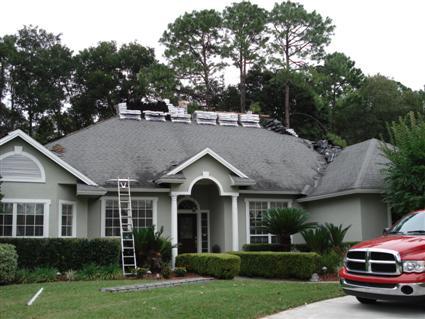
Hurricane season tests every part of a home in Jacksonville, FL, and your roof carries the load. If you spot certain red flags now, planning roof replacement before the first tropical system can prevent leaks, mold, and costly interior damage. Below are the practical, local signs your roof may not make it through another round of long rain bands and strong gusts.
Why Roof Replacement in Jacksonville, FL Matters Before Hurricane Season
Our climate is tough on roofing. Weeks of heat, afternoon downpours, and coastal wind wear down shingles and flashing faster than many homeowners expect. When storms arrive, small problems can become emergencies overnight.
If your roof is older, has a history of leaks, or shows visible wear, use the calmer days now to get ahead of issues. A proactive plan gives you time to choose materials and timing that fit your home instead of rushing during a storm watch.
Early Red Flags You Can Spot From the Ground
You do not need to climb a ladder to notice several warning signs. A quick scan from your driveway or yard can tell you a lot.
- Missing, cracked, or curled shingles after a windy day
- Granules collecting near downspouts that look like dark sand
- Shingle edges that appear lifted or creased along the windward side
- Rust around roof accessories like vents or exposed nail heads
- Loose or wavy-looking ridge caps
Loose shingles before June storms are a serious vulnerability. Wind can catch lifted tabs and tear them away, opening a path for wind‑driven rain.
Interior Symptoms That Point To Roof System Failure
Hurricane bands can expose weaknesses that have been building for months. Interior clues often confirm what you see outside.
- Brown ceiling stains that spread after long, steady rain
- Musty odors or damp insulation in the attic
- Light peeking through the roof deck in the attic
- Peeling paint near the tops of walls or around skylights
If stains appear in more than one room, the problem may be wider than a single flashing issue. Do not wait on active leaks, even if they seem small. Every storm can push water farther into wood and drywall.
Structural Warning Signs Jacksonville Homeowners Should Not Ignore
Some signs suggest deeper problems that can worsen under hurricane winds and heavy rain.
Watch for a sagging line along the ridge. A dip or wave can indicate weakened decking or framing. Also look for soft spots noted by a professional during an inspection, and for repeated repairs in the same valley or near a chimney. These patterns point to system issues, not just cosmetic wear.
Frequent granule loss matters too. Granules protect the asphalt layer from UV. When you see bald patches, shingles age faster and become brittle, which makes them more likely to lift in gusts.
Weather and Neighborhood Factors That Speed Up Roof Wear
Conditions vary across the city, and those differences show up on roofs:
Along Jacksonville Beach, Atlantic Beach, and Neptune Beach, salt air can speed corrosion at fasteners and flashing. In Riverside and San Marco, tree cover drops debris into valleys and gutters, which can trap moisture. In Mandarin, Southside, and Arlington, strong sun on south- and west-facing slopes bakes shingles day after day. Each of these patterns can shorten shingle life and stress sealants around penetrations.
Local insight: After a line of storms, check from the ground for shingles lying in the yard or granules washing out of downspouts. If your roof is 15 to 20 years old and you notice either sign, schedule a professional evaluation before the next system tracks our way.
Repair or Replace: How To Decide Before The First Tropical Storm
Not every roof with a problem needs a full replacement. The decision often comes down to age, extent of damage, and pattern of past leaks.
Repairs make sense when damage is limited to a small area and the rest of the system is sound. Replacement is the smarter move when issues are widespread or repeat after each storm.
Use this simple guide as you talk with a professional:
- Consider repair if the roof is newer and the problem is clearly isolated to a vent, pipe boot, or single valley.
- Lean toward replacement if you see recurring leaks in different rooms, large patches of missing or curled shingles, or an uneven roofline.
- Factor in age. Many Jacksonville shingle roofs show end‑of‑life signs earlier due to heat, UV, and wind exposure.
When you need a deeper review, book a focused visit and ask for photos and notes. If you are weighing options, a quick look at available roofing systems can clarify which materials fit your home’s location and wind exposure.
Common Trouble Spots Before Hurricane Season
Shingle Edges and Ridge Caps
Lifted shingle edges and cracked ridge caps are common entry points for wind‑driven rain. Once water finds a path, it follows framing members and often shows up far from the source.
Flashing Around Walls, Skylights, and Chimneys
Step flashing and counter‑flashing take a beating in storms. Look for rust, missing sealant, or gaps. Repeated flashing failures usually signal the larger system needs attention, not just another patch.
Valleys and Low-Slope Transitions
Debris collects in valleys and slows drainage. In long rain bands, this can cause backup and seepage. Low-slope sections on additions or porches also need careful detailing to handle standing water.
Attic Ventilation
Poor airflow raises attic temperatures and can cause moisture issues. That combination dries out shingles from beneath and amplifies summer heat stress. Balanced intake and exhaust help the roof handle our climate better over time.
When Your Roof Protects More Than One Property Type
Some Jacksonville homes include a garage apartment, duplex wing, or small shop with different roof geometry. Materials and details can vary. If your property includes flat or low‑slope areas, see how our commercial roofing solutions apply to those sections. Matching the right system to each part of your property improves performance during high winds and heavy rain.
How To Act Now Without Rushing Later
Start with a professional inspection. Ask for a simple checklist with photos of the roof surface, penetrations, and any soft decking. Confirm whether problems are isolated or widespread. If your roofer recommends planning a replacement soon, choose your window before the peak of storm season so weather does not choose it for you.
Use your notes to answer these questions:
- Is the damage localized, or do you see the same issues in multiple areas?
- Has the same spot been repaired more than once?
- Is the roof nearing the end of its typical lifespan for the material?
When the answer points to replacement, schedule a consult and discuss materials built for local wind and rain. If you need to move forward quickly, set a clear plan for protection, daily cleanup, and communication.
What To Do Next With
Our team focuses on the basics that matter most in Northeast Florida: tight flashing, clean water flow, and secure edges that stand up to gusty storms. If your roof shows several of the signs above, a planned roof replacement will protect your home better than another quick fix.
You can also review roof replacement in Jacksonville, FL on our home base to see how we approach different neighborhoods and roof types across the area. If part of your property includes low‑slope or shared structures, our crew will coordinate details so every section is ready for the season.
Granules in gutters are an early warning you should not ignore. Pair that with lifted tabs or fresh ceiling stains and it is time to bring in a pro.
Ready To Protect Your Home Before The Storms Arrive
One weak spot can invite the entire storm inside. Take a calm hour today to prepare, so your roof is ready when the forecast turns active.
Contact Us